Dynamic Visuals: Using Wavy Colorful Elements
In the world of digital content creation, the background is rarely just empty space. It is the stage, the context, and often the silent narrator of your brand's story. For designers, entrepreneurs, and content creators looking to break away from rigid grids and sterile minimalism, Backgrounds with Wavy Colorful Elements offer a refreshing solution. This specific set of three illustrated backgrounds, provided in wide-dimension, high-definition PNG format, brings a fluid, energetic aesthetic to projects that demand attention without overwhelming the primary message.
The Anatomy of the Aesthetic
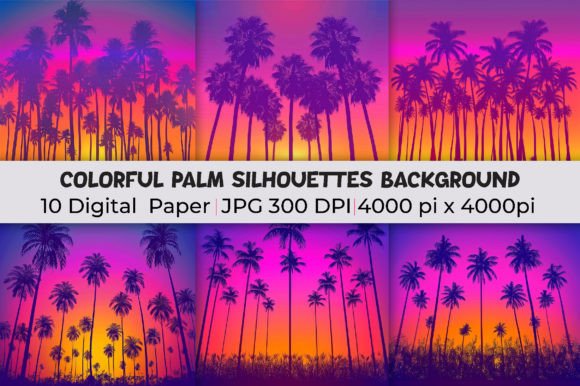
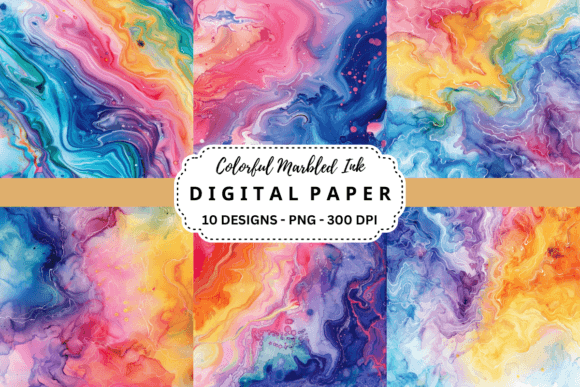
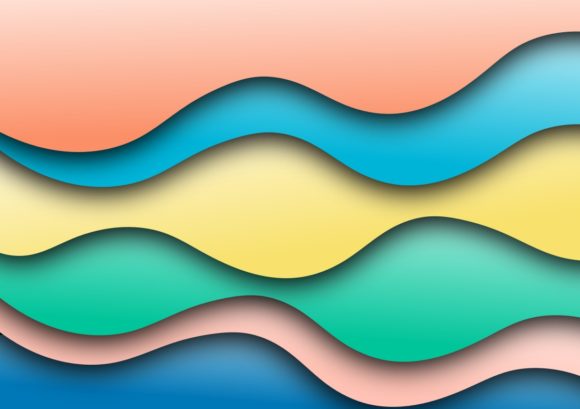
When we talk about Backgrounds with Wavy Colorful Elements, we are describing a visual style that prioritizes movement and modern typography sensibilities. These are not your standard gradient washes or static patterns. Instead, imagine organic, flowing lines that mimic the movement of water, silk, or sound waves, rendered in a spectrum of vibrant hues. The "personality" of these assets is undeniably optimistic, creative, and forward-thinking. They possess a distinct "display font" quality—meaning they are designed to be seen and to make an impact instantly.
The visual characteristics rely on smooth curves and overlapping translucent shapes, creating depth even on a two-dimensional plane. This style aligns perfectly with modern typography trends where fluidity is prized over rigid structure. Because these are provided as a set of 3 illustrated backgrounds, you gain the versatility of variation. You might use a warmer, red-toned wave for a sale announcement and switch to a cool, blue-toned wave for an informational post, maintaining visual consistency while avoiding repetition fatigue.
Strategic Applications for Business and Branding
Understanding where to deploy Backgrounds with Wavy Colorful Elements is key to maximizing their value. These assets are not just decoration; they are functional tools for brand identity and visual hierarchy. Here is how different professionals can leverage them:
- Digital Marketing & Social Media: On platforms like Instagram, LinkedIn, or Pinterest, the scroll-stop factor is everything. A wide, high-definition wavy background makes a carousel post or a YouTube thumbnail pop. It provides a cohesive canvas for social media graphics, ensuring your text remains legible against a dynamic backdrop.
- Web Design: In web design, these backgrounds work exceptionally well for hero sections or landing pages. They draw the eye downward, encouraging the user to scroll. They can be used to separate content sections without using harsh lines, improving the flow of information.
- Branding & Logo Design: While the background itself isn't a logo design, it serves as the environment in which your logo lives. If your brand is in the tech, wellness, or creative sector, these wavy elements reinforce an identity that is innovative and approachable. They pair beautifully with clean sans serif fonts to balance the organic shapes with structural text.
- Presentations & Pitch Decks: Entrepreneurs and small business owners often struggle with boring slide decks. Replacing a plain white background with a subtle, colorful wave can transform a standard pitch into a memorable experience without distracting from the data.
Pairing and Integration: The Designer’s Approach
As an experienced designer, I treat Backgrounds with Wavy Colorful Elements as a premium font or a high-value asset—they require thoughtful pairing to shine. Because the background is visually active, the typography you place on top must offer high contrast. This is where font pairing becomes critical.
Avoid using overly decorative script fonts or complex handwritten fonts over the busiest parts of the waves, as this will cause visual clutter. Instead, opt for a bold serif font for headers to add a touch of authority, or a geometric sans serif font for body copy to ensure maximum readability. The goal is to create a visual hierarchy where the text floats confidently on top of the color.
Practical Considerations for Implementation
When incorporating these design assets into your workflow, consider the following practical advice:
- Evaluating Project Fit: These backgrounds excel in editorial design and packaging design for lifestyle products. However, if you are designing for a serious legal firm or a traditional financial institution, the playful nature of the waves might clash with the required tone of gravitas.
- Testing Readability: Always test your text overlays at the actual size they will be viewed. The "wide dimensions" of these PNGs allow for high-resolution printing, but ensure your text color contrasts sufficiently with the specific hue of the wave it sits upon.
- Commercial Licensing: For entrepreneurs and agencies, verifying the commercial font and asset licensing is non-negotiable. Ensure the license covers your specific use case, whether it is for a client’s website or print-on-demand merchandise.
- Resolution and Format: Since these are high definition DPI PNGs, they are ready for large-format printing. This makes them excellent for trade show banners, posters, or packaging design where pixelation is not an option.
Elevating Engagement Through Color and Motion
Ultimately, the power of Backgrounds with Wavy Colorful Elements lies in their ability to influence audience engagement. Color psychology tells us that specific hues evoke specific emotions, and the combination of multiple colors in a fluid motion suggests diversity, adaptability, and creativity. By integrating these backgrounds into your creative font projects, you move beyond static communication. You create an environment that feels alive and responsive.
Whether you are a blogger looking to refresh your sidebar, a crafter creating digital papers, or a publisher designing a magazine spread, these assets provide a professional polish that is difficult to achieve with flat colors alone. They allow you to maintain a consistent brand identity across various mediums while adapting to the specific needs of the content. Treat these backgrounds not just as images, but as strategic tools for visual storytelling, and you will find they add significant value to your creative toolkit.