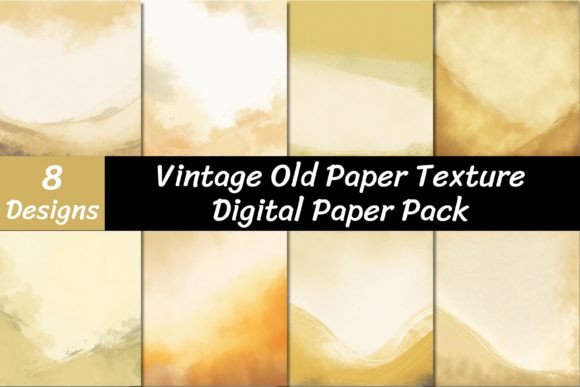
Timeless Design: Vintage Old Paper Texture Backgrounds
There's a certain magic in objects that carry a sense of history. A worn leather journal, a faded map, a letter written in cursive a century ago—these items tell a story beyond their immediate content. In the digital world, achieving that authentic, tactile feel can be a challenge. This is where a high-quality Vintage Old Paper Texture Background becomes an invaluable design asset. It’s not just a pattern; it’s a portal to another era, offering a layer of depth and narrative that flat, modern surfaces often lack.
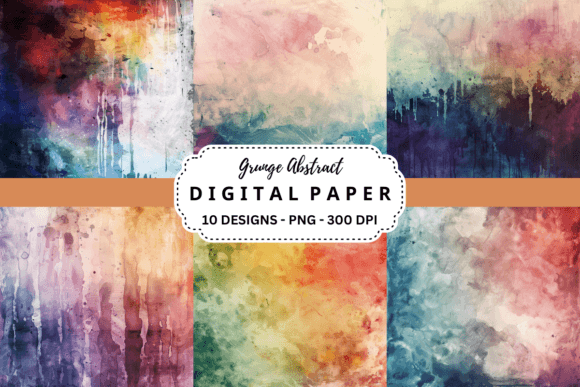
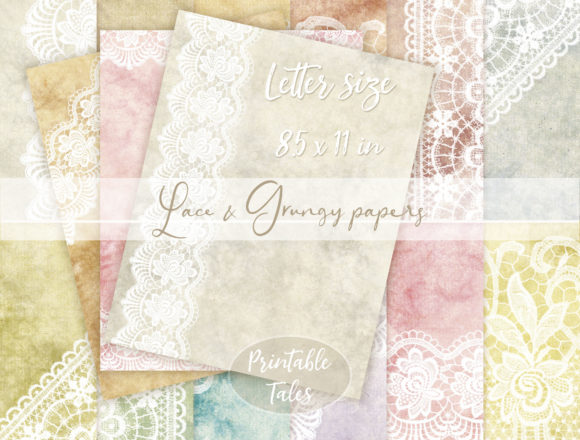
This particular digital paper pack features eight distinct textures, each meticulously crafted at a substantial 3600x3600 pixel resolution and a crisp 300 DPI. The visual characteristics are immediately compelling. You'll find subtle, uneven discolorations that mimic age, faint fold lines and creases that suggest handling, and a delicate, fibrous grain that provides a realistic tactile quality. The color palettes range from warm, yellowed parchment to cooler, weathered grays, giving you versatile options to match different project moods. The overall personality is one of authenticity, nostalgia, and craftsmanship. It feels handmade, organic, and rich with implied history, making it a powerful tool for any creative professional looking to add soul to their work.
Where Texture Meets Strategy: Practical Applications
The true value of Vintage Old Paper Texture Backgrounds lies in their incredible versatility across a wide spectrum of projects. They are far more than just a pretty backdrop for a quote graphic. For entrepreneurs and small business owners, these textures can form the foundation of a compelling brand identity. Imagine a boutique coffee roaster, a heritage-style clothing line, or an artisanal soap company using these backgrounds on their website, packaging, and social media. The texture immediately communicates values of tradition, quality ingredients, and careful production, setting a brand apart in a crowded market.
For marketers and content creators, these backgrounds are a secret weapon for boosting engagement. A social media post about a historical event, a throwback Thursday campaign, or a literary quote gains instant visual weight and stops the scroll. In editorial design, such as for a blog, magazine, or e-book, these textures can create chapter headers, sidebars, or pull-quote backgrounds that enhance readability by providing a soft, non-distracting visual anchor. Publishers and authors can use them for book covers, especially in genres like historical fiction, fantasy, or mystery, where atmosphere is paramount.
The applications extend into the personal realm as well. Crafters and hobbyists can use these digital papers for scrapbooking, custom greeting cards, invitation suites for weddings or events, and printable wall art. The high resolution ensures that even when printed at a large scale, the texture remains sharp and detailed, avoiding the pixelation that plagues lower-quality assets. Essentially, any project that benefits from a touch of warmth, history, or artisanal character can be elevated by this resource.
The Psychology of Paper: Influence on Perception and Engagement
Choosing a background texture is a strategic decision that directly influences how your audience perceives and interacts with your content. A Vintage Old Paper Texture does more than decorate; it sets a psychological tone. The warm, soft tones and irregular surfaces are easier on the eyes than stark white or bright digital backgrounds, potentially increasing the time a viewer spends with your content. This subtle reduction in visual strain can improve readability for longer texts, such as blog posts or product descriptions, when used thoughtfully.
In terms of visual hierarchy, a textured background provides a stable, engaging base that allows foreground elements—like typography, logos, and images—to pop with greater clarity. It adds depth without complexity, guiding the viewer's eye naturally. For brand perception, consistency is key. Using the same vintage texture across your website, social media graphics, and printed materials creates a cohesive and recognizable brand identity. It signals attention to detail and a commitment to a specific aesthetic, which builds professionalism and audience recognition. The texture becomes part of your brand's story, a silent ambassador of its values.
A Practical Guide to Selection and Implementation
Integrating these assets effectively requires a thoughtful approach. First, consider the project fit. While versatile, the vintage style leans towards the classic and narrative. It pairs exceptionally well with certain font pairings. For instance, a clean, modern sans serif font used for body text can provide excellent contrast and readability against the detailed texture, while a elegant serif font or a carefully chosen script font can be used for headings to enhance the vintage feel. Avoid overly ornate or handwritten fonts that might become illegible when layered over a busy background.
When you download and unzip the pack, take time to review each of the eight included JPEG files. Test them in your design software—whether it's Adobe Photoshop, Illustrator, Canva, or Affinity Designer. Experiment with blending modes like Multiply, Overlay, or Soft Burn to see how the texture interacts with your color schemes and text. Always prioritize readability; if text gets lost, try adding a very subtle solid color layer or a gradient between the texture and your type. The 300 DPI resolution is a professional standard, making these files perfect for both high-quality print projects and digital use where you might need to zoom or crop.
Finally, be mindful of the commercial licensing typically included with such premium digital assets. Ensure your intended use—whether for a client's logo, a sold product, or a marketing campaign—is covered. This pack is designed to be a commercial font asset, empowering you to use it confidently in professional work. By treating this texture not as a mere clipart but as a foundational design element, you unlock its full potential to create work that is not only visually appealing but also emotionally resonant and strategically sound.