Grungy Distressed Backgrounds: A Blend of Vintage Charm and Urban Edge
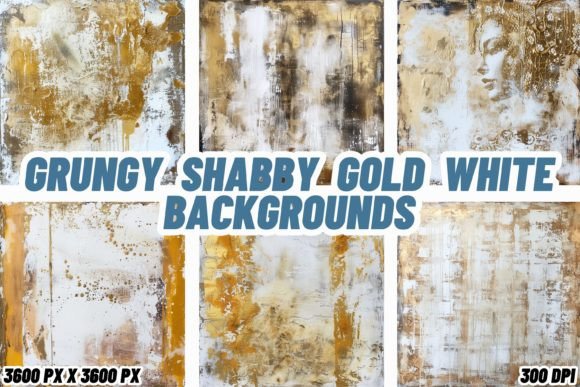
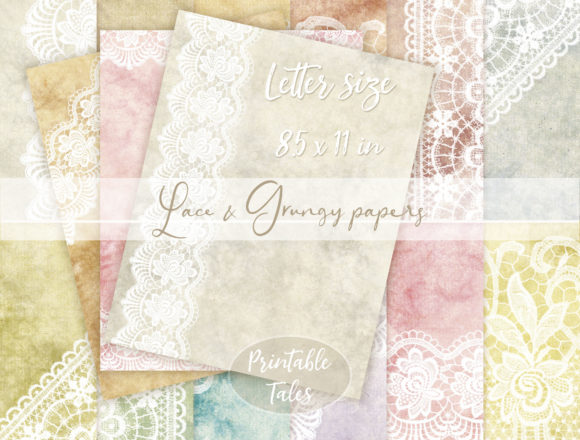
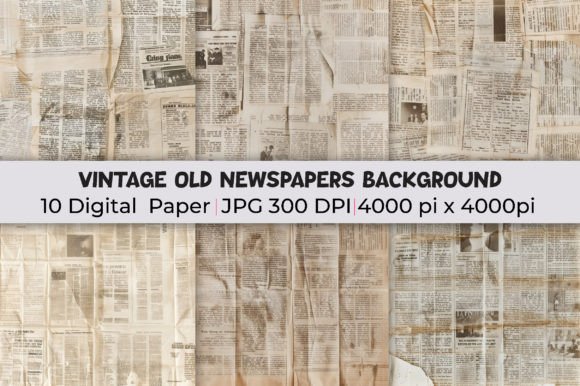
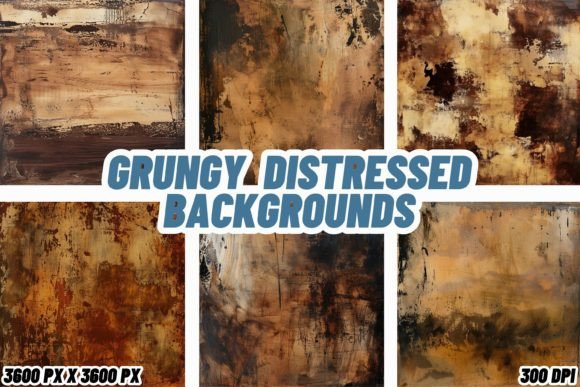
In a digital world often dominated by sleek gradients and perfect vectors, there is a powerful pull toward textures that tell a story. Grungy distressed backgrounds tap into this desire, offering a rich, tactile aesthetic that feels authentic and lived-in. These aren't just patterns; they are visual narratives of age, wear, and character. Imagine the surface of a weathered brick wall in an old industrial district, the peeling layers of vintage wallpaper, or the oxidized patina on a copper roof. This collection captures that raw, sophisticated beauty, providing a versatile design asset for creators who want to infuse their work with depth and personality.
The Allure of Controlled Imperfection
The visual language of a grungy distressed background is one of nuanced imperfection. It’s characterized by subtle scratches, layered textures, gentle stains, and a muted, often warm color palette that evokes a sense of history. The appeal lies in its ability to add instant warmth and context without overwhelming a design. Unlike a flat, single-color background, a distressed texture creates a focal point of interest that guides the viewer's eye. It’s a style that feels both timeless and contemporary, bridging the gap between vintage nostalgia and modern urban aesthetics. For a designer, it’s like having a piece of a real-world environment ready to be digitally incorporated, adding a layer of authenticity that synthetic textures often miss.
Where This Texture Truly Shines
The practical applications for these backgrounds are surprisingly extensive, moving far beyond simple decorative fills. In brand identity work, a subtle distressed texture can lend a logo or business card a handcrafted, artisanal quality, perfect for brands in craft brewing, boutique coffee shops, or heritage clothing lines. For packaging design, it can communicate a product’s organic origins or small-batch production, making it stand out on a crowded shelf. In the realm of editorial design and publishing, these backgrounds transform a standard book cover or magazine spread into something with presence and depth, especially for genres like historical fiction, mystery, or music journalism.
Digital applications are equally powerful. A web design utilizing a muted, textured background can break the monotony of flat design trends, creating a more engaging user experience. For social media graphics, especially on platforms like Instagram or Pinterest, these backgrounds stop the scroll, providing a visually rich canvas that makes text and images pop. Marketers and entrepreneurs can use them to create presentations that feel more compelling and less corporate, or to design promotional materials for events that need a vintage or alternative vibe. Even personal projects, from scrapbooking to custom stationery, benefit from the added dimension and character.
Making Informed Choices for Your Project
Integrating a grungy distressed background effectively requires a thoughtful approach. The first step is evaluating the project's core message. Does it call for a whisper of texture or a bold statement? A background with very subtle, fine-grain distressing might work beautifully as a website backdrop, while a more pronounced, layered texture could be the hero of a poster design. Always test the background with your core content—be it typography, photographs, or illustrations. Ensure there is enough contrast for readability. Pairing these textured backgrounds with clean, simple typefaces often creates a striking balance. A modern sans serif font or a classic serif font can provide the necessary clarity against a complex background, maintaining a professional hierarchy.
When you download a collection like this, review all included variations. You might find different color tones (warm sepia, cool concrete, oxidized green), levels of distress, and subtle patterns. This variety allows for consistency across a campaign while offering flexibility. For commercial use, always verify the licensing. Most premium design assets come with licenses that cover a wide range of applications, from digital ads to printed merchandise, but it's crucial to confirm this for your specific needs. Think of these backgrounds not as a decorative afterthought, but as a foundational design asset that can significantly influence the tone, professionalism, and memorability of your final creation. They are a tool for building a richer, more engaging visual world.